
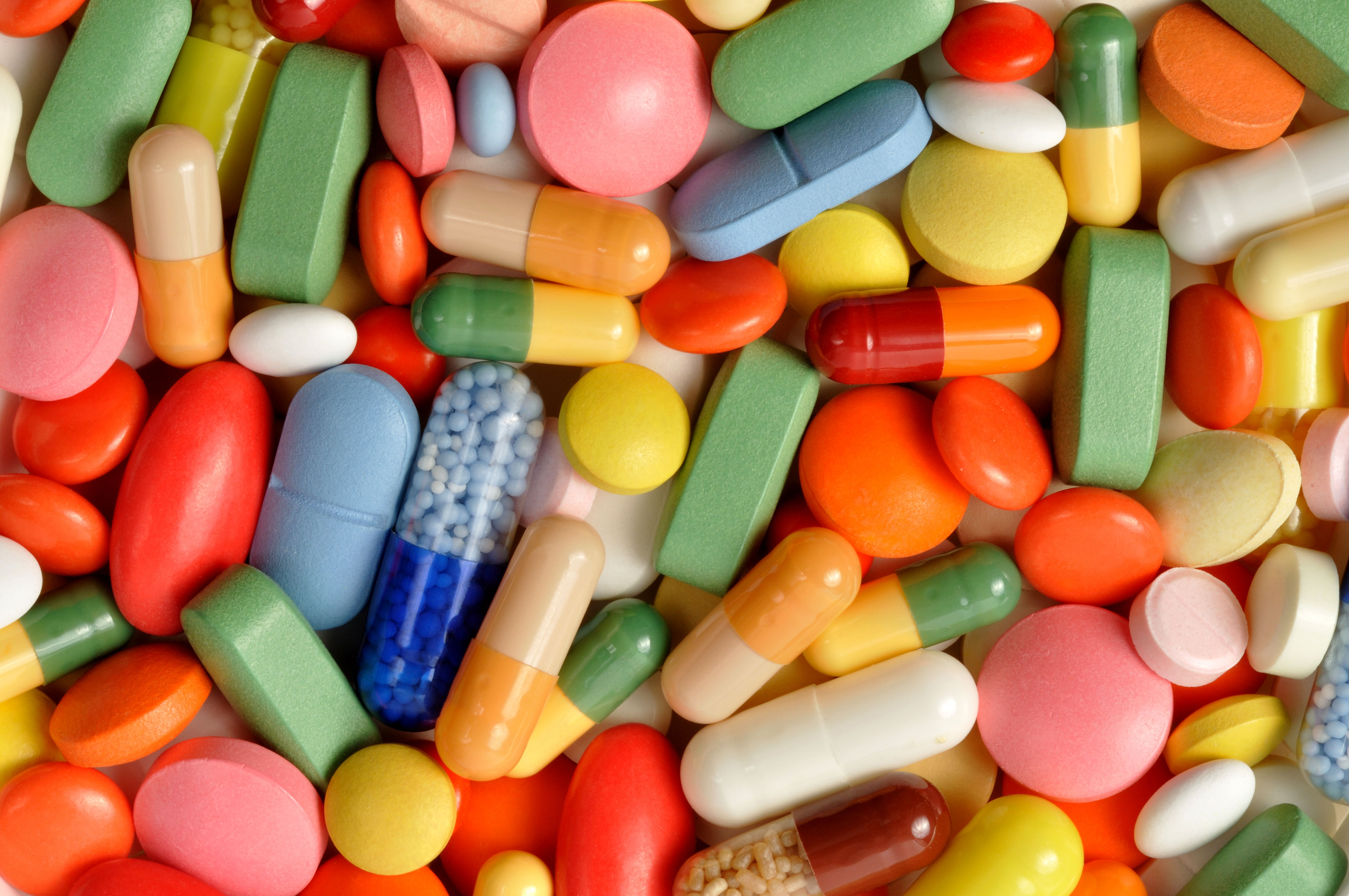
Vitamins compose less than 1% of our body, and yet without them, many reactions in the body cannot occur. Vitamins serve as enzyme activators, as digestion boosters, as immunity enhancers and as wellsprings for growth and vitality.
Most vitamins cannot be made by the body and have to be eaten. But is a handful of pills really the answer? Vitamins work best in harmony with other vitamins, with trace minerals, and with digestive enzymes. When we isolate them, the synergy is lost. The best source of vitamins is the whole food in which they are naturally occurring, where bioflavanoids, phytonutrients and even fats are present.
An often over-looked source of vitamins is animal products. Most of us realize the value of fresh fruit for Vitamin C. We know that grains contain B vitamins. But there is a woeful deficiency of fat-soluble vitamins in the diet. Vitamins A and D particularly, but also E and K depend on saturated fats for their assimilation. Whole dairy, free-range eggs, and wild-caught or pastured/grass-fed meat, fish and poultry are the best sources for these fat-dependent vitamins.
So this month, remember that vitamins don't come from Twinkies! Focus on eating a wide-range of whole, natural foods - everything from fresh vegetables and whole grains to organ meats and fish eggs. Variety is more than the spice of life: it is the key to vitamin sufficiency.


No comments:
Post a Comment